BIO 625: Environmental & Informal Science Education
Fall 2026 Elective W+ Course
In-Person Dates: 8/29, 9/19, 10/3, 11/7, 11/22
Location: Bronx Zoo
Elective Fall – 3 credits, Letter Grade
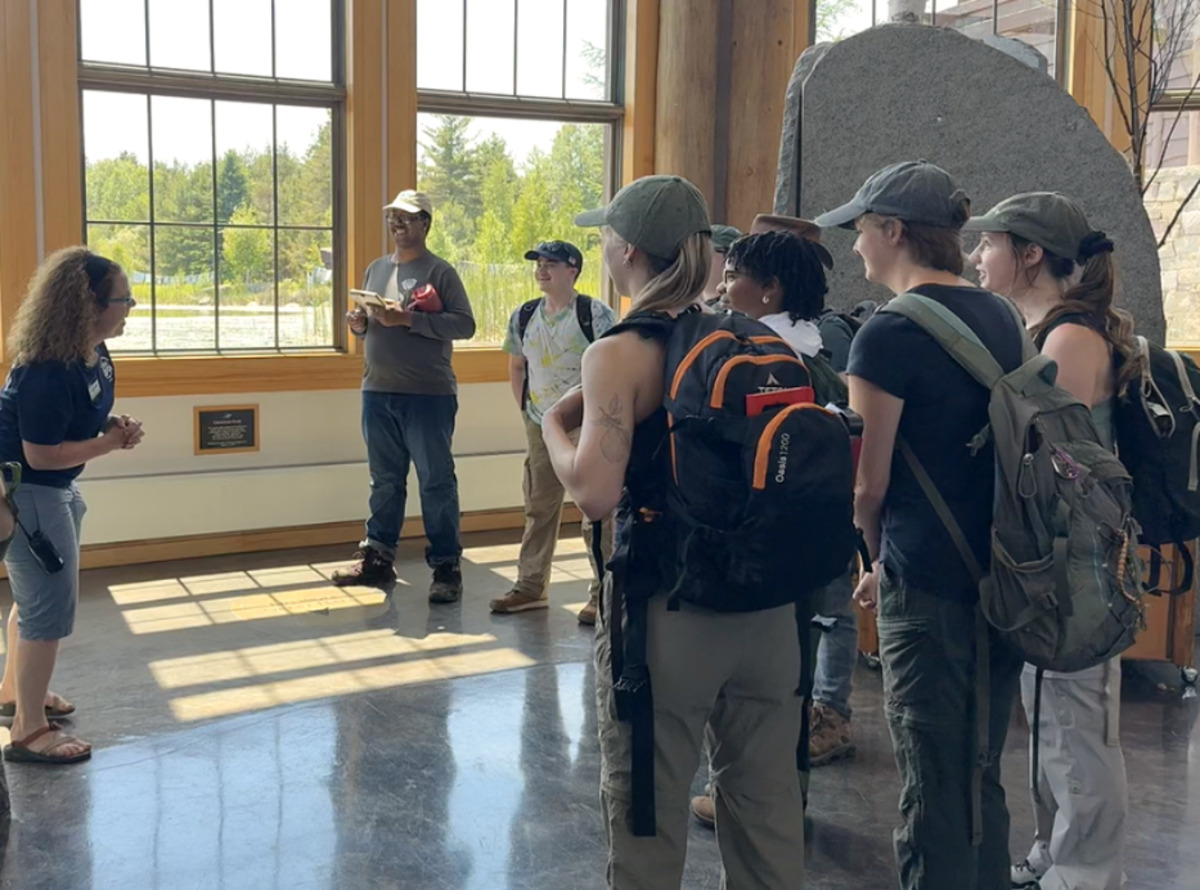
Developing a sound foundation in education is an oft-overlooked component of effective communication. Understanding the different learners in an audience and the different strategies needed to best engage these learners can strengthen the reach of any conservation effort. Participants will explore strategies in informal and environmental education programs that not only achieve educational goals, but also result in positive environmental impacts. This course will include practical applications and hands-on approaches for communicating environmental education lessons to a wide range of audiences, and explore how formative nature experiences can influence the development of a lifetime conservation ethos. Participants will explore current and recent historical environmental education research and will create an analytic review of a corpus of literature related to their area of interest. Putting their new knowledge to work, participants will complete an action research project in which they create and implement an educational program, and will measure the impact of the program on their audience. This is a Miami University online course with experiential learning on-site at an affiliated Dragonfly Advanced Inquiry Program (AIP) institution.
Student Learning Outcomes:
- Examine the history of and evaluate the current body of research on Environmental Education and Informal Science Education as national efforts and fields of study (EPA/NEEA, CAISE, NSF, etc.)
- Research an environmental education topic of interest utilizing clear bounded search parameters and create an analytic review synthesizing the research for a general academic audience
- Compare the value and use of inquiry in a variety of outdoor and other informal science learning settings, including potentially zoos, aquariums, museums, science centers, out-of-school programs, film and broadcast media, and cyber-learning and gaming
- Choose an audience, and create multiple strategies to engage that audience in a local and/or global conservation action
- Employ community resources, including the AIP Master Institution environment, and outreach to create connections, build community partnerships and use the network as a learning resource
- Engage in reflective and evaluative peer review in face-to-face environments and on the web to provide colleagues with personal insight, new perspectives or analyses, ideas for useful applications, and connections to other research and projects